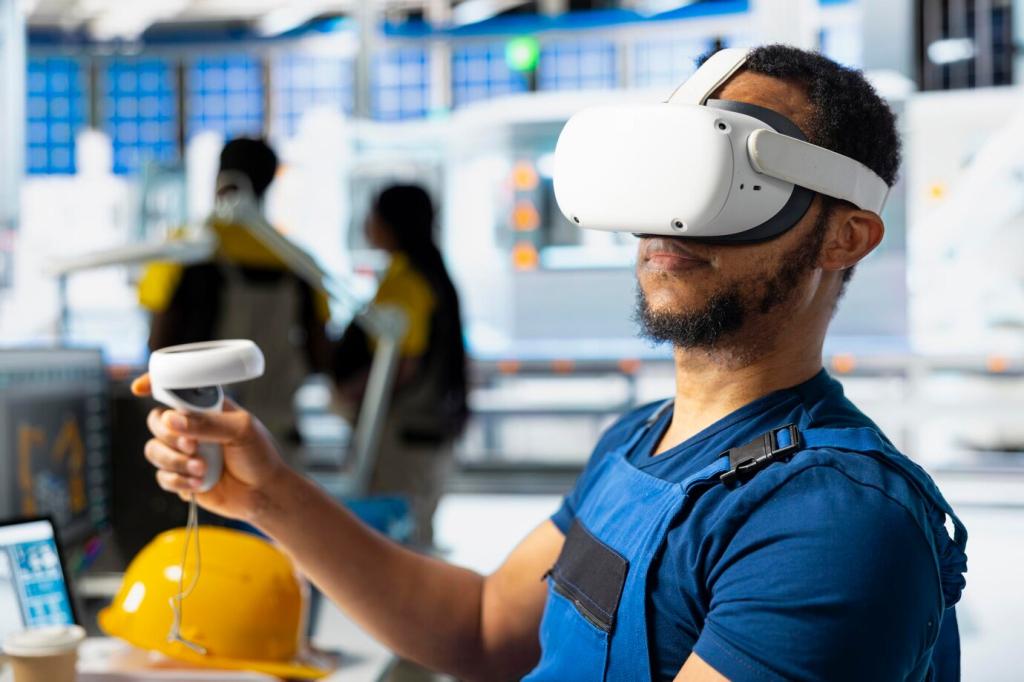
Today’s chosen theme: Gamification: Engaging Students in New Ways. Step into a classroom where curiosity levels up, feedback feels like treasure, and learning is an adventure powered by purpose. Join the conversation, share your wins and stumbles, and subscribe for fresh ideas that make every lesson feel like a quest worth taking.
Why Gamification Works in the Classroom
At the heart of effective gamification is a balance of autonomy, competence, and relatedness. Think clear goals, immediate feedback, and choices that matter. When students own their progress and see it recognized, they build confidence, persistence, and genuine curiosity.
Why Gamification Works in the Classroom
Points and badges are only powerful when they signal real learning. Tie every reward to a skill, a standard, or a milestone. Students quickly sense authenticity and respond when achievements reflect something they actually understand and can demonstrate.
Designing Meaningful Game Mechanics
Reframe units as quest lines, where each quest connects to a clear objective or standard. Students embark with context and constraints, then submit evidence of mastery. The narrative organizes complexity, guiding learners through increasingly challenging, purposeful tasks.
Designing Meaningful Game Mechanics
Levels signal progress while allowing flexible pacing. Offer multiple mastery paths—research, design, practice, or teaching others—to accommodate strengths. Celebrate level-ups with reflection prompts, turning every milestone into a moment to consolidate learning and set the next target.
Assessment Through Play
Boss Battles as Summative Moments
Frame culminating assessments as boss battles that synthesize previous skills. Students prepare by earning tools—formula sheets, sentence stems, or data sets—through earlier quests. The battle tests transfer, teamwork, and strategy, turning anxiety into focused preparation and collaboration.
Micro-Assessments and Checkpoints
Short, frequent challenges surface misconceptions early. Use progress meters, visual trackers, or quick reflection cards to reveal thinking. Because the stakes are low and retries are expected, students engage honestly, and you gain real-time insight for targeted adjustments.
Data Without the Dread
Display growth as a journey rather than a rank. Use heat maps, skill trees, or badges aligned to specific competencies. When learners see exactly which skill improved and what to try next, data becomes a guidepost instead of a judgment.
Inclusivity and Accessibility in Gamified Learning
Offer multiple ways to participate—solo, pair, or team—and alternatives to public scoring. Let students opt into visible leaderboards or choose private progress tracking. Choice respects comfort levels while keeping everyone engaged and supported.
Inclusivity and Accessibility in Gamified Learning
Vary sensory load, time demands, and response modes. Provide quiet challenges alongside energetic ones, and allow visual, written, or audio submissions. Clear instructions, predictable routines, and optional scaffolds make the game world inviting and navigable for all.
Tools, Platforms, and Low-Tech Approaches
Index cards become quest logs, stickers become badges, and a whiteboard becomes a dynamic map of progress. Low-tech setups are fast to iterate, easy to maintain, and perfect for piloting mechanics before committing to a full digital system.
Tools, Platforms, and Low-Tech Approaches
Combine tangible artifacts with digital tracking. For example, physical quest scrolls paired with an online dashboard for mastery evidence. The tactile elements make progress feel real, while digital records streamline feedback and showcase growth over time.
Building a Classroom Narrative
Anchor the narrative to your content. In science, students restore ecosystems; in history, they reconstruct lost archives; in math, they stabilize a failing colony. The world gives context, and the standards determine the quests that move the plot forward.
Building a Classroom Narrative
Invite students to adopt roles that amplify strengths—analyst, storyteller, engineer, diplomat. Roles grant privileges and responsibilities tied to learning goals, encouraging collaboration and accountability. Identity makes participation personal and pride in progress visible.
Ethics: Rewards, Equity, and Healthy Competition
Use rewards sparingly and make them informational, not controlling. Recognize strategy, persistence, and reflection rather than only speed. When students connect effort to meaningful progress, motivation grows from within and lasts beyond the game layer.